The Moroccan supercycle: a 2026 investor thesis
Why foreign luxury-property capital is rotating to Morocco — and what the next 48 months look like.
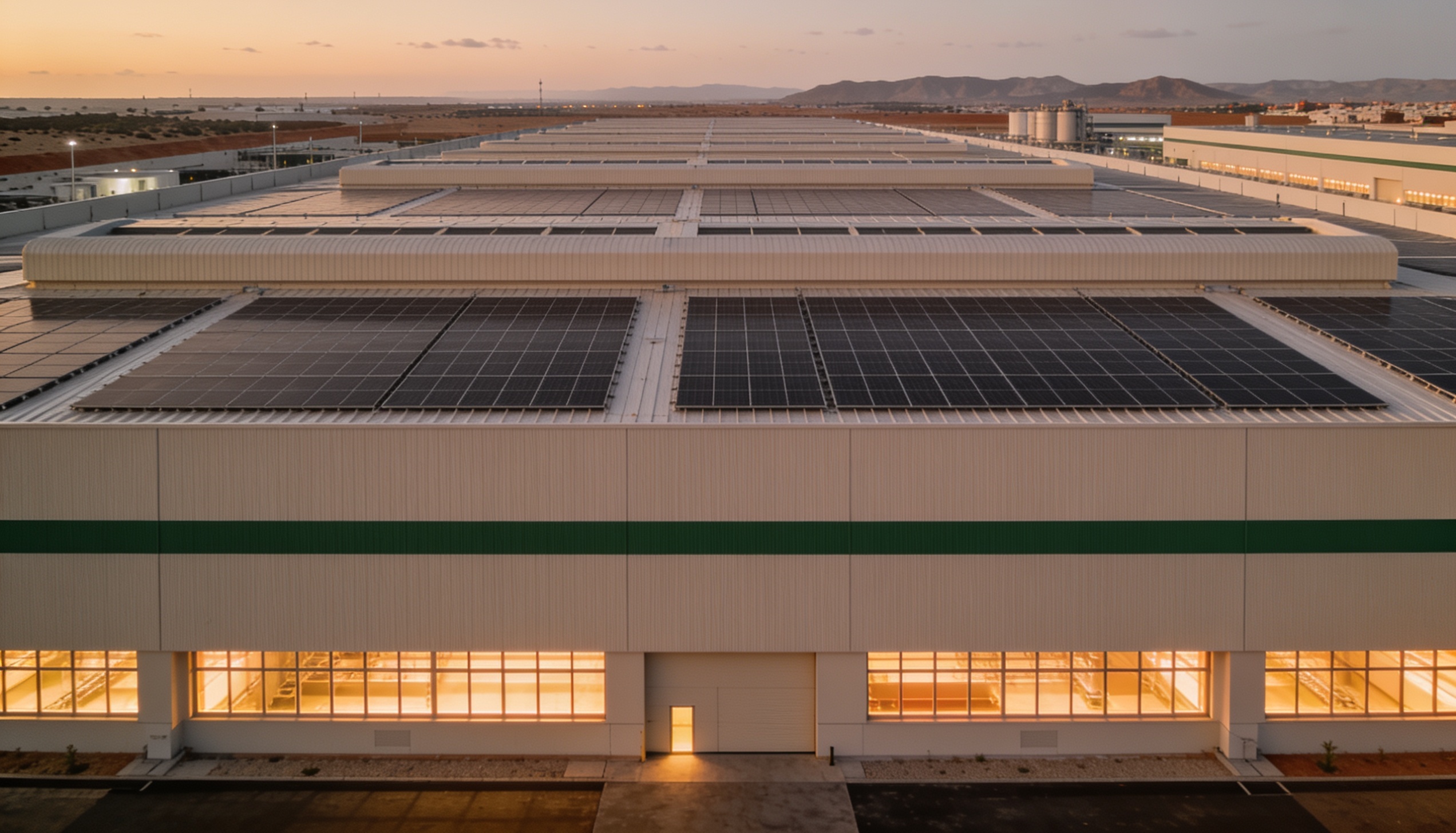
Foreign property investment into Morocco is rising. Foreigners hold a growing share of the kingdom's luxury stock, and European and Middle-Eastern buyers routinely pay a premium over local pricing for prime addresses. We don't put a hard number on any of the three — none of them is credibly sourced at national level, and we'd rather show nothing than a figure we can't stand behind. The direction is what matters: this is the leading edge of a generational rotation away from a single Gulf city.
Three forces, one window
The thesis rests on three forces that all peak in the same 2030 calendar window:
- World Cup 2030 build-out: Morocco approved roughly $41 billion (MAD 380bn, 2026 budget) of infrastructure for the joint hosting. Grand Stade de Tanger (75k seats, $360M renovation 95 % complete) anchors the north corridor; Grand Stade Hassan II Casablanca (115k seats, the final venue) anchors the centre. Ten stadiums refurbished. Infrastructure dollars don't move when the tournament ends — they reprice the surrounding real estate for a decade.
- TGV Al Boraq extension: by 2030, a 430-km, 350 km/h line connects Rabat → Marrakech via Casablanca. The current Tangier ↔ Casa run is 2h10. The post-2030 Tangier ↔ Marrakech run drops to 2h40. Inland luxury markets that were 4-hour drives become 2.5-hour rail trips — Marrakech, Agadir extensions follow.
- FM6I deployment: the Fonds Mohammed VI pour l'Investissement has put MAD 19 billion to work across industry, tourism, energy and agri. The "Cap Hospitality" program alone earmarks 4 billion MAD to renovate 25,000 classified rooms ahead of the World Cup. Sovereign-fund capital invites private capital — that's what we're seeing.
What it means for property
Coastal Tangier (Marshan, Cap Spartel) and Casablanca corniche (Ain Diab, CFC) are pricing in the catalyst first. Marrakech Palmeraie estates are the EU/Gulf default destination — the trophy-asset bid. Rabat Souissi remains the lowest-volatility hold in the catalogue thanks to the embassy + corporate-housing demand layer.
The 24-month window matters. Morocco is the rare investable luxury market where the AI search surface, the inventory pipeline, and the regulatory channel (dirhams convertibles via the Office des Changes) are all still under-instrumented by the global majors. That changes when Compass or Idealista decide MA is worth localising.
See the parallel investment thesis for the infrastructure project list, and the tax pre-flight calculator for the upfront friction.