Morocco isn't betting on one thing. It's building eight.
Short version: the “next Dubai” case for Morocco doesn't rest on the World Cup or tourism. It rests on eight independent, dated economic engines — phosphates and fertilizers, green hydrogen, EV batteries, automotive, aerospace, renewable energy, the Tanger Med port complex and the Casablanca finance hub. A diversified base is a more stable base — and it reprices property across more than one city. Below: every engine, sourced — including the ones that are still a 2030 horizon, not a today trade.
Eight engines, not one.
Each is a different business with different investors and a different timeline — which is exactly the point. One shock can't take them all down at once.
Phosphates & fertilizers
- Phosphate rockKhouribga basin
- Acids & fertilizersJorf Lasfar hub
- Green ammoniaPower-to-X (planned)
- Global exportfeeding world food security
Morocco sits on the world's largest phosphate-rock reserves, and OCP is pivoting from raw rock toward green-ammonia fertilizer — moving up the value chain rather than exporting a commodity. The green-program capex is announced, not yet built; treat it as indicative.
Green hydrogen & Power-to-X
- Atlantic solar & windamong the world's best resource
- Green hydrogen
- Green ammonia / e-fuels
- Export to EU & industry
The Atlantic south has some of the world's cheapest solar-and-wind potential, which is why green-hydrogen and the Xlinks UK cable target Morocco. Almost all of this is pre-construction — a 2030+ horizon, flagged indicative — so it underwrites the thesis without yet repricing property.
EV batteries & gigafactories
- Phosphate & cobalt inputs
- Cathode / precursorCOBCO, Jorf Lasfar
- Battery cellsGotion, Kenitra
- EV assembly & export
Morocco is wiring its phosphate base into the EV battery supply chain — cathode precursors plus a planned Kenitra gigafactory — to feed European carmakers. The GWh figures are announced investment, not operating capacity; flagged indicative until commissioned.
Automotive
- Local parts (>250 suppliers)
- AssemblyTanger & Kenitra plants
- Export via Tanger Med
- EU & global markets
Automotive is already Morocco's largest export sector and Africa's biggest vehicle industry, anchored by Renault Tanger and Stellantis Kenitra. Current capacity is verified; the ~1M-unit target is forward-looking and flagged indicative.
Aerospace
- Precision parts & wiring
- Sub-assembliesMidparc free zone
- Aerostructures & MRO
- Export to OEMs
A Casablanca-area aerospace cluster has drawn Safran, Boeing and Spirit as Morocco moves into higher-value manufacturing. Firm counts and export values come from the industry association and are flagged indicative pending an official tally.
Renewable energy
- Solar (CSP+PV) & wind
- Grid + storage
- Industrial decarbonisation
- Green-H₂ feedstock
Noor Ouarzazate put Morocco on the map for utility-scale solar, and the >52%-by-2030 capacity goal is official policy. The current renewable share is an estimate and flagged indicative.
Ports & the Africa gateway
- Industrial free zonesauto, textiles, logistics
- Port handlingTanger Med / Dakhla
- Trans-shipment
- Europe ↔ Africa trade
Tanger Med is the logistics spine of the industrial story — Africa's largest box port, feeding the auto and free-zone economy. The new Dakhla Atlantic port and the Sahel-facing Atlantic Initiative are a longer-horizon play, flagged indicative.
Finance hub (CFC)
- Capital & HQsCFC status & incentives
- Cross-border deployment
- African markets
- Returns repatriated / reinvested
Casablanca Finance City ranks as Africa's leading international financial centre in the latest GFCI (39th ed., 2026) — a spot it briefly traded with Mauritius in 2025 — channelling capital into the continent. The member-firm count is from CFC and flagged indicative pending an independent figure.
The engines, scored and sourced.
Anchor project, scale on the ground today, and the 2030 horizon — with how hard each already pulls on real-estate demand. Forward-looking figures are flagged indicative.
| Engine | Anchor | Scale today | 2030 horizon | Property pull |
|---|---|---|---|---|
| Phosphates & fertilizers | OCP Group — Jorf Lasfar / Khouribga | ≈ 70% of world phosphate-rock reservesthe single largest reserve base on earth | ≈ $13bn green-industrial program → carbon-neutral by 2040· indicative | Building |
Morocco sits on the world's largest phosphate-rock reserves, and OCP is pivoting from raw rock toward green-ammonia fertilizer — moving up the value chain rather than exporting a commodity. The green-program capex is announced, not yet built; treat it as indicative. SourcesAnchor: OCP Group · 2025 · Scale today: USGS Mineral Commodity Summaries · 2024 · 2030 horizon: OCP Group · 2023–27 | ||||
| Green hydrogen & Power-to-X | “Offre Maroc” green-H₂ framework | ≈ 1 million ha allocated to green-H₂ / ammonia projects· indicative | Xlinks Morocco–UK: 3.6 GW HVDC subsea cable≈ 11.5 GW solar+wind in Guelmim-Oued Noun· indicative | Horizon |
The Atlantic south has some of the world's cheapest solar-and-wind potential, which is why green-hydrogen and the Xlinks UK cable target Morocco. Almost all of this is pre-construction — a 2030+ horizon, flagged indicative — so it underwrites the thesis without yet repricing property. SourcesAnchor: Ministry of Energy Transition · 2024 · Scale today: Ministry of Energy Transition · 2024 · 2030 horizon: Xlinks · target ~2030 | ||||
| EV batteries & gigafactories | Gotion High-Tech gigafactory — Kenitra· indicative | Phase 1 ≈ 20 GWh (scaling toward ~100 GWh)· indicative | COBCO cathode/precursor plant — Jorf LasfarCNGR × Al Mada joint venture· indicative | Building |
Morocco is wiring its phosphate base into the EV battery supply chain — cathode precursors plus a planned Kenitra gigafactory — to feed European carmakers. The GWh figures are announced investment, not operating capacity; flagged indicative until commissioned. SourcesAnchor: AMDIE / company announcement · 2024 · Scale today: Gotion High-Tech announcement · announced 2024 · 2030 horizon: AMDIE · ramping 2025–26 | ||||
| Automotive | Renault Tanger + Stellantis Kenitra | Africa's #1 vehicle producer — 1M+ units built in 2025 | Capacity build-out toward 1.45M–2M vehicles/yr· indicative | High |
Automotive is already Morocco's largest export sector and Africa's biggest vehicle industry, anchored by Renault Tanger and Stellantis Kenitra. Current capacity is verified; the ~1M-unit target is forward-looking and flagged indicative. SourcesAnchor: AMDIE / Ministry of Industry · 2025 · Scale today: AMDIE / Ministry of Industry · 2025 · 2030 horizon: Ministry of Industry · by ~2030 | ||||
| Aerospace | Midparc / Nouaceur aerospace cluster — Casablanca | 140+ aerospace firms (Safran, Boeing, Spirit, Le Piston)· indicative | Deepening local content & MRO capacity· indicative | Building |
A Casablanca-area aerospace cluster has drawn Safran, Boeing and Spirit as Morocco moves into higher-value manufacturing. Firm counts and export values come from the industry association and are flagged indicative pending an official tally. SourcesAnchor: GIMAS / AMDIE · 2025 · Scale today: GIMAS (aerospace industry assoc.) · 2024 · 2030 horizon: GIMAS · 2025–30 | ||||
| Renewable energy | Noor Ouarzazate — one of the world's largest CSP complexes (≈ 580 MW) | ≈ 45% of installed electricity capacity renewable· indicative | Official target: > 52% renewable capacity by 2030 | Horizon |
Noor Ouarzazate put Morocco on the map for utility-scale solar, and the >52%-by-2030 capacity goal is official policy. The current renewable share is an estimate and flagged indicative. SourcesAnchor: MASEN · 2024 · Scale today: MASEN / IEA · 2025 · 2030 horizon: Ministry of Energy / MASEN · 2030 target | ||||
| Ports & the Africa gateway | Tanger Med — largest container port in Africa | > 10 million TEU handled (≈ 11.1M, 2025) | Dakhla Atlantic port + the Africa Atlantic Initiative· indicative | High |
Tanger Med is the logistics spine of the industrial story — Africa's largest box port, feeding the auto and free-zone economy. The new Dakhla Atlantic port and the Sahel-facing Atlantic Initiative are a longer-horizon play, flagged indicative. SourcesAnchor: Tanger Med Special Agency (TMSA) · 2025 · Scale today: TMSA · 2025 · 2030 horizon: Government of Morocco · ~2029 target | ||||
| Finance hub (CFC) | Casablanca Finance City — Africa's top IFC (GFCI 39, 2026), ~49th globally | 200+ member firms; gateway to West & Central Africa· indicative | Deepening as the continent's cross-border finance hub· indicative | Building |
Casablanca Finance City ranks as Africa's leading international financial centre in the latest GFCI (39th ed., 2026) — a spot it briefly traded with Mauritius in 2025 — channelling capital into the continent. The member-firm count is from CFC and flagged indicative pending an independent figure. SourcesAnchor: Casablanca Finance City Authority / GFCI · 2026 · Scale today: Casablanca Finance City Authority · 2024 · 2030 horizon: CFC Authority · 2025–30 | ||||
The shape of resilience.
An illustrative index of a diversified base against a single-commodity peer — a model to show the shape of the cycle, not a forecast.
Diversified beats single-sector.
Why breadth matters: a multi-engine economy bends where a one-commodity economy breaks. This is structural analysis, not a prediction.
| Dimension | Morocco — diversified | Single-sector model |
|---|---|---|
| Economic base | 8 independent engines (autos, phosphates, aero, energy, finance, ports, agri, tourism)· indicative | 1–2 dominant sectors (often a single commodity)· indicative |
A diversified base means no single shock sinks the whole economy. This is a structural read of Morocco's sector mix, not a single sourced figure — flagged indicative. SourcesMorocco — diversified: marocain.investments analysis of sector data · Single-sector model: illustrative comparison | ||
| Export concentration | Spread across autos, phosphates, electronics, textiles, agri· indicative | One commodity dominates export receipts· indicative |
Broad export composition cushions Morocco against a price collapse in any one product — the opposite of a single-commodity exporter. SourcesMorocco — diversified: Office des Changes (trade structure) · 2024 · Single-sector model: illustrative comparison | ||
| Sovereign & FX backdrop | S&P investment grade (regained 2025); managed-float dirham vs a EUR/USD basket | Often oil-correlated revenue & a hard FX peg· indicative |
Morocco regained investment-grade status in 2025 and runs a managed float — its public finances are not hostage to a single export price. SourcesMorocco — diversified: Morocco World News / Bank Al-Maghrib · 2025 · Single-sector model: illustrative comparison | ||
| Geographic position | Atlantic + Mediterranean; 14 km from the EU; outside Gulf flashpoints | Exposed to a single regional theatre· indicative |
Two coastlines and EU adjacency give Morocco trade and security optionality a single-region economy lacks. SourcesMorocco — diversified: macro-knowledge / Control Risks · 2025–26 · Single-sector model: illustrative comparison | ||
What this means for property.
Industrial engines reprice the cities they sit in. Here is which city each engine pulls on — and where the jobs, not just the tourists, are going.
Tangier
highRenault, Tanger Med and the free zones — the densest industrial-jobs corridor in the north.
BrowseCasablanca
highCFC finance hub + the Nouaceur aerospace cluster + OCP's corporate base — the white-collar engine.
BrowseKenitra (Rabat-Salé-Kénitra)
buildingStellantis + the planned Gotion gigafactory — the battery-and-auto build-out, on the TGV line.
BrowseDakhla / Atlantic south
horizonGreen-hydrogen land + the Dakhla Atlantic port — a longer-horizon play, not a today trade.
BrowseMarrakech / Ouarzazate
buildingNoor Ouarzazate solar plus tourism spillover — the resort economy with an energy backbone.
BrowseWhat diversification proves — and what it still has to.
The honest ledger. The engines are real; several are mid-build, and a serious case has to say where the risk is.
- Automotive is already Africa's largest, and a real export earner — not a promise.
- The phosphate base is being wired into fertilizers and the EV battery chain — moving up the value ladder.
- S&P investment grade (2025) and a managed-float dirham mean the public finances aren't hostage to one price.
- Green hydrogen, gigafactories and Dakhla are largely announced — execution and timelines are unproven.
- Water and grid capacity are real constraints on the green-energy build-out.
- Industrial jobs have to translate into local incomes that actually support housing demand.
Morocco is doing what a stable, ambitious mid-size economy is supposed to do: building several engines at once, on the Atlantic, an hour from Europe and outside the Gulf's flashpoints. That diversification is the real “more stable than Dubai” argument — and it spreads the property upside beyond a single trophy city. Some engines are here now; some are a 2030 horizon. Know which you're buying into.
Decision-support, not investment advice. Forward-looking figures are indicative — verify against the cited source.
Morocco's diversification — straight answers.
Morocco's economic diversification is the country's deliberate build-out of multiple non-tourism industries — automotive, phosphates and fertilizers, aerospace, renewable energy, green hydrogen, EV batteries, ports and finance — to reduce reliance on any single sector.
Is Morocco's economy diversified beyond tourism?
Yes. Tourism is one engine among several — automotive (Africa's largest vehicle industry, led by Renault Tanger and Stellantis Kenitra), phosphates and fertilizers (OCP sits on the world's largest phosphate-rock reserves), aerospace (a Casablanca cluster with Safran, Boeing and Spirit), renewable energy (Noor Ouarzazate and a >52%-by-2030 capacity target), an EV-battery supply chain, the Tanger Med port complex and Casablanca Finance City. Several figures are forward-looking and should be verified against the cited source.
What is OCP and why does it matter to Morocco's economy?
OCP Group is Morocco's state-controlled phosphates and fertilizer company. Morocco holds roughly 70% of the world's phosphate-rock reserves (USGS), and OCP is moving up the value chain — from raw rock to fertilizers and, increasingly, green ammonia via its Power-to-X programme. That makes Morocco structurally important to global food security, not just a commodity exporter. The green-investment programme is announced and should be treated as indicative.
Where are Morocco's EV battery gigafactories being built?
The headline projects cluster around Kenitra and the Jorf Lasfar (El Jadida) and Mohammedia corridors: a planned Gotion High-Tech gigafactory near Kenitra and a COBCO cathode/precursor plant (CNGR with Al Mada) at Jorf Lasfar, wiring Morocco's phosphate base into the battery supply chain for European carmakers. Capacities are announced investment figures, not yet operating capacity — flagged indicative pending commissioning.
Is Morocco the largest car manufacturer in Africa?
Yes — by production capacity Morocco is Africa's leading vehicle producer, anchored by Renault's Tanger plant and Stellantis in Kenitra, with capacity around 700,000 units a year (AMDIE) and a stated ambition to reach about one million. Automotive is already Morocco's largest export sector. The ~1M target is forward-looking and flagged indicative.
What is Morocco's green-hydrogen plan?
Morocco's “Offre Maroc” framework earmarks land in the Atlantic south (Dakhla, Laâyoune, Guelmim) for green-hydrogen and green-ammonia projects, leveraging some of the world's cheapest solar-and-wind resource. The Xlinks project would also export Moroccan renewable power to the UK via a 3.6 GW subsea cable. Most of this is pre-construction — a 2030-and-beyond horizon — so it strengthens the long-run thesis without yet moving property prices. Figures are indicative.
Field notes from the engines.
Sourced, adversarially fact-checked deep-dives on each engine — every figure carries its source.
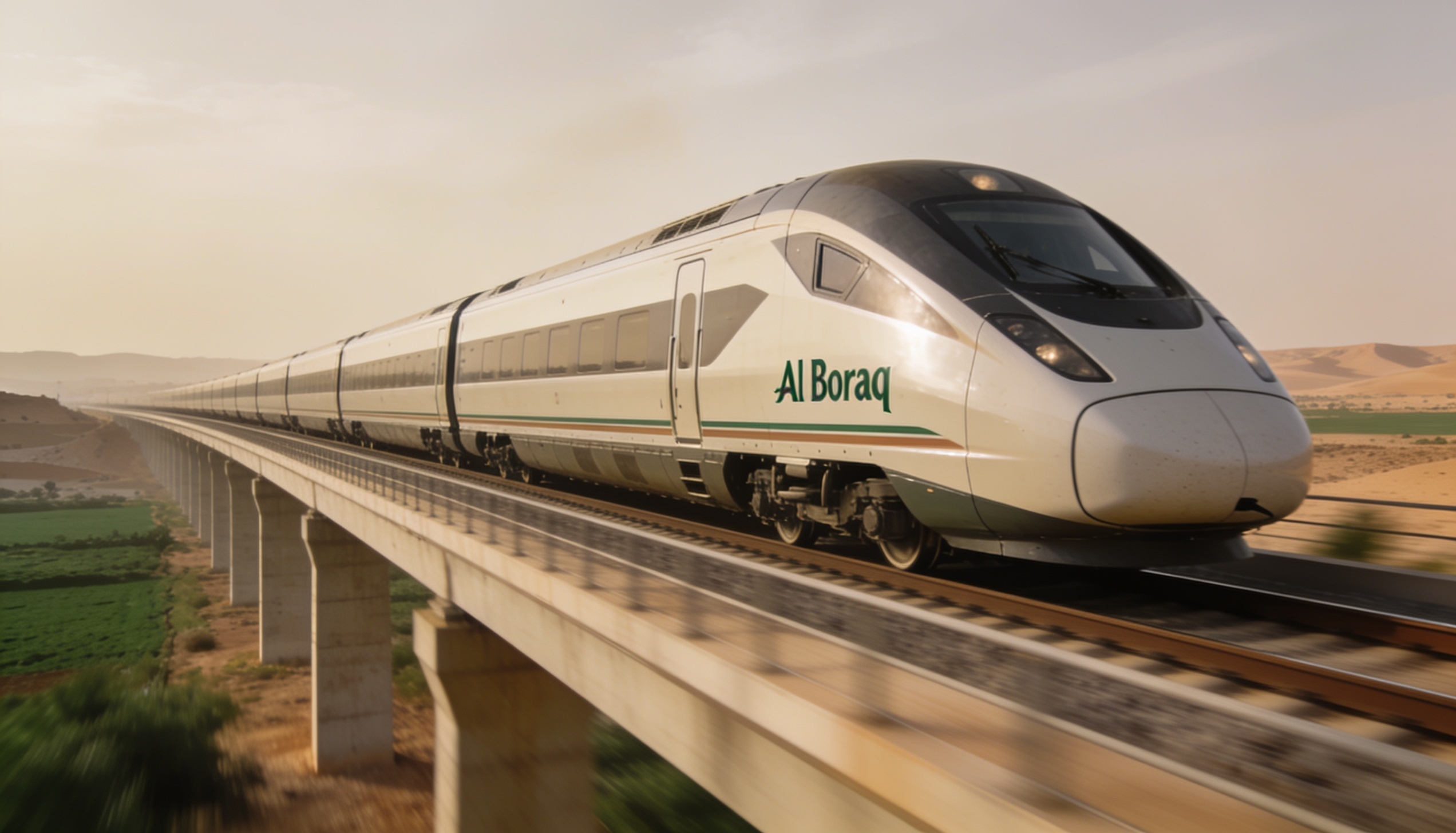
The TGV to Marrakech: Morocco's under-priced 2030 catalyst
Al Boraq — Africa's first high-speed line — already runs Tangier to Casablanca at 350 km/h. The extension under construction to Marrakech (~430 km) would put Tangier within ~2h40 of Marrakech ahead of the 2030 World Cup, on a ~MAD 96bn national rail programme. It quietly re-prices the inland and corridor markets — a real catalyst that's easy to miss next to the stadiums.
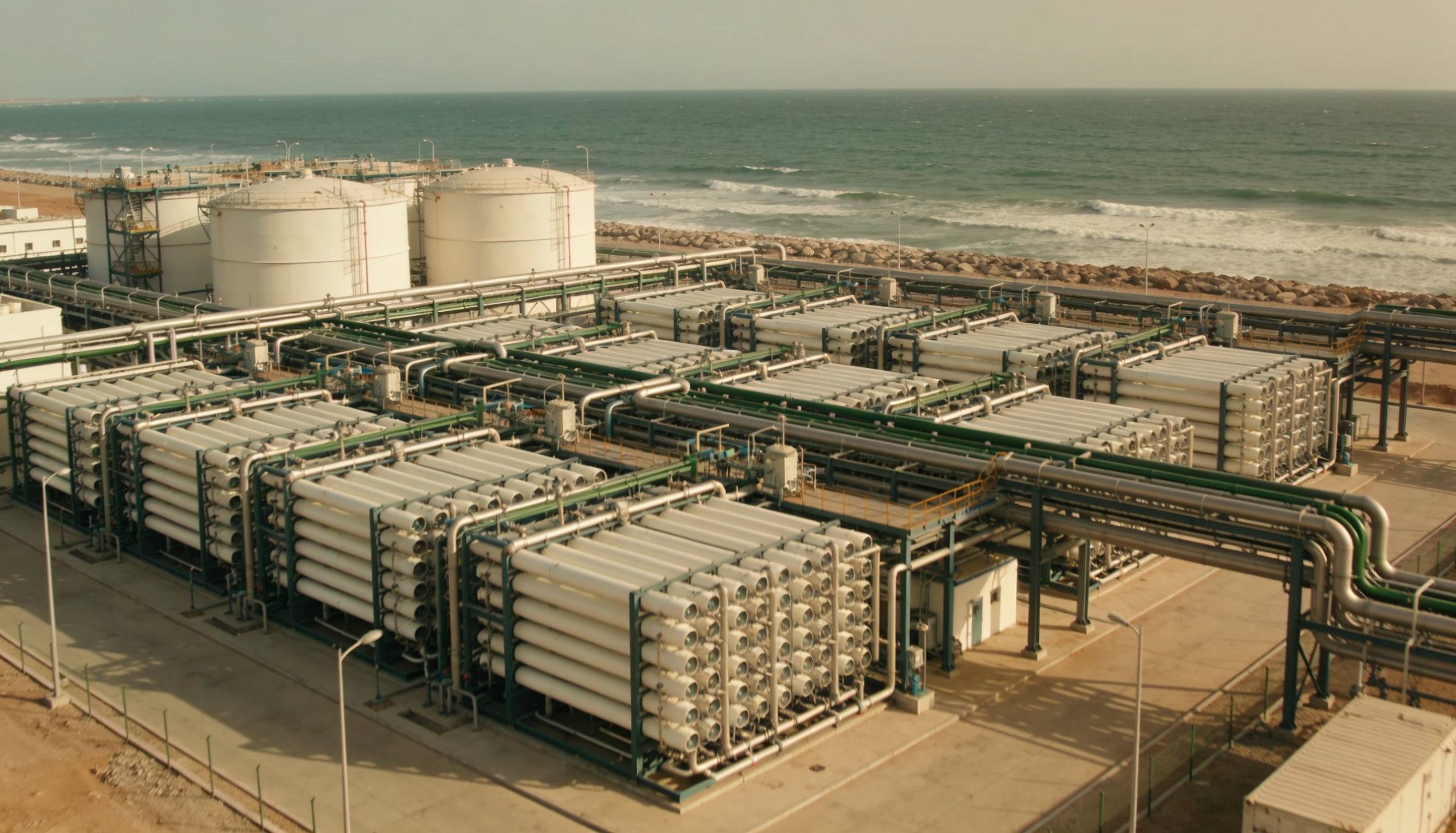
Water and desalination: the constraint Morocco's growth must clear
Morocco is structurally water-stressed (~600 m³ per person a year, near the absolute-scarcity line). Its answer is the largest desalination build-out in Africa — a ~MAD 143bn water programme, the Casablanca mega-plant, and a target of roughly half of drinking water from desalination by 2030. This is the enabling — and binding — layer beneath every other engine: industry, green hydrogen and agriculture all need the water to arrive.
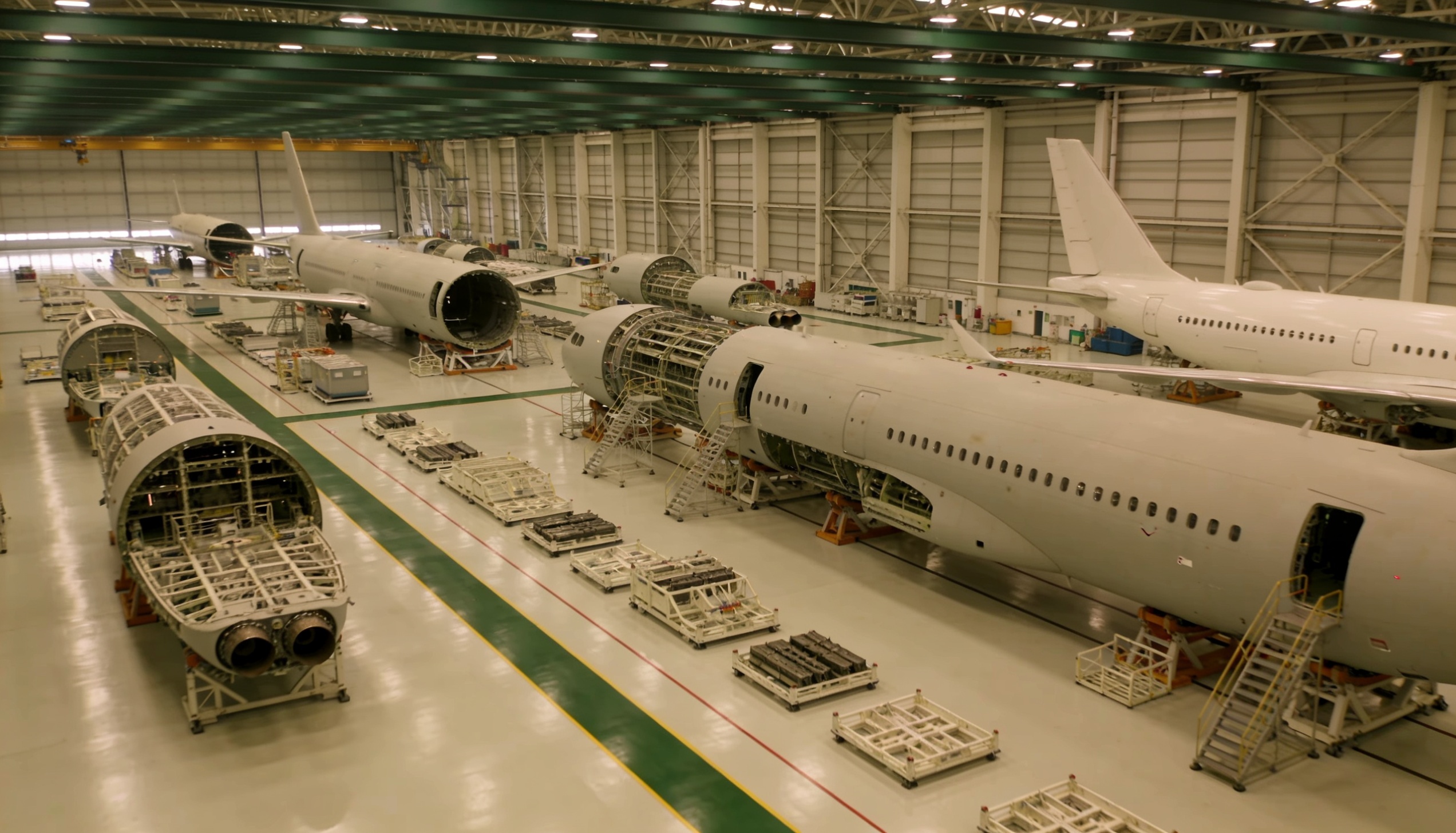
Morocco's aerospace cluster: Nouaceur, Midparc and Casablanca property
Morocco's aerospace exports grew from under MAD 1bn two decades ago to ~MAD 26bn (~$3bn) in 2024 — ~140-155 firms and ~23,000-27,000 jobs around the Nouaceur / Midparc free zone near Casablanca. With Safran building Africa's first aircraft-engine assembly + MRO ecosystem, the cluster is moving up the value chain. For property: durable high-skill demand in the Casablanca-Settat corridor — a tailwind, not a price guarantee.
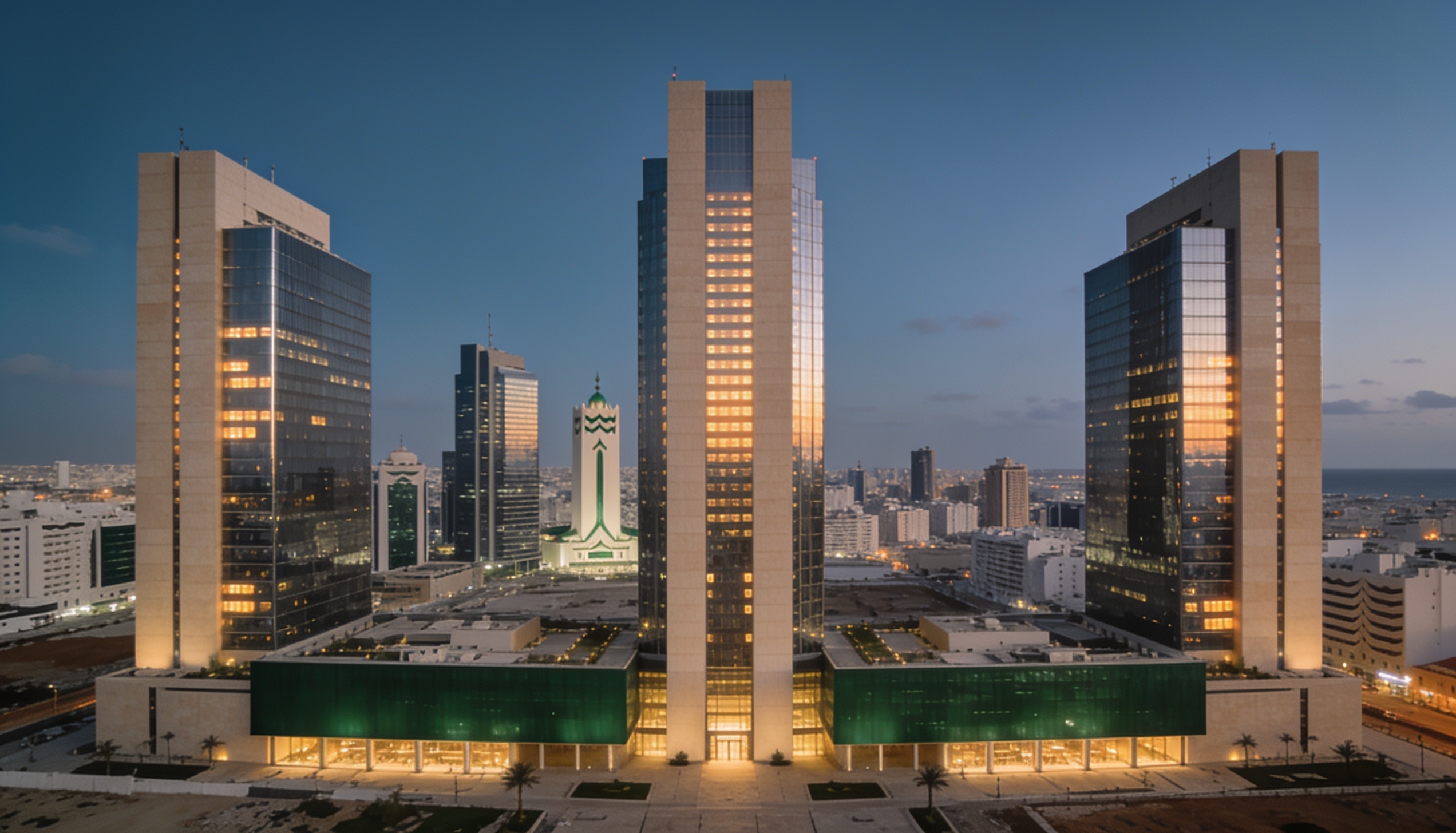
Casablanca Finance City and prime Casablanca property
Casablanca Finance City is Africa's top-ranked financial centre (49th globally, GFCI 39) with a 226-firm base and a tax regime from a 5-year exemption to a flat 20% (10% for HQs). It anchors the Anfa / CFC / Ain Diab prime districts — where apartments run ~24,000–32,000 MAD/m², though official price growth is modest (~1.3% YoY).
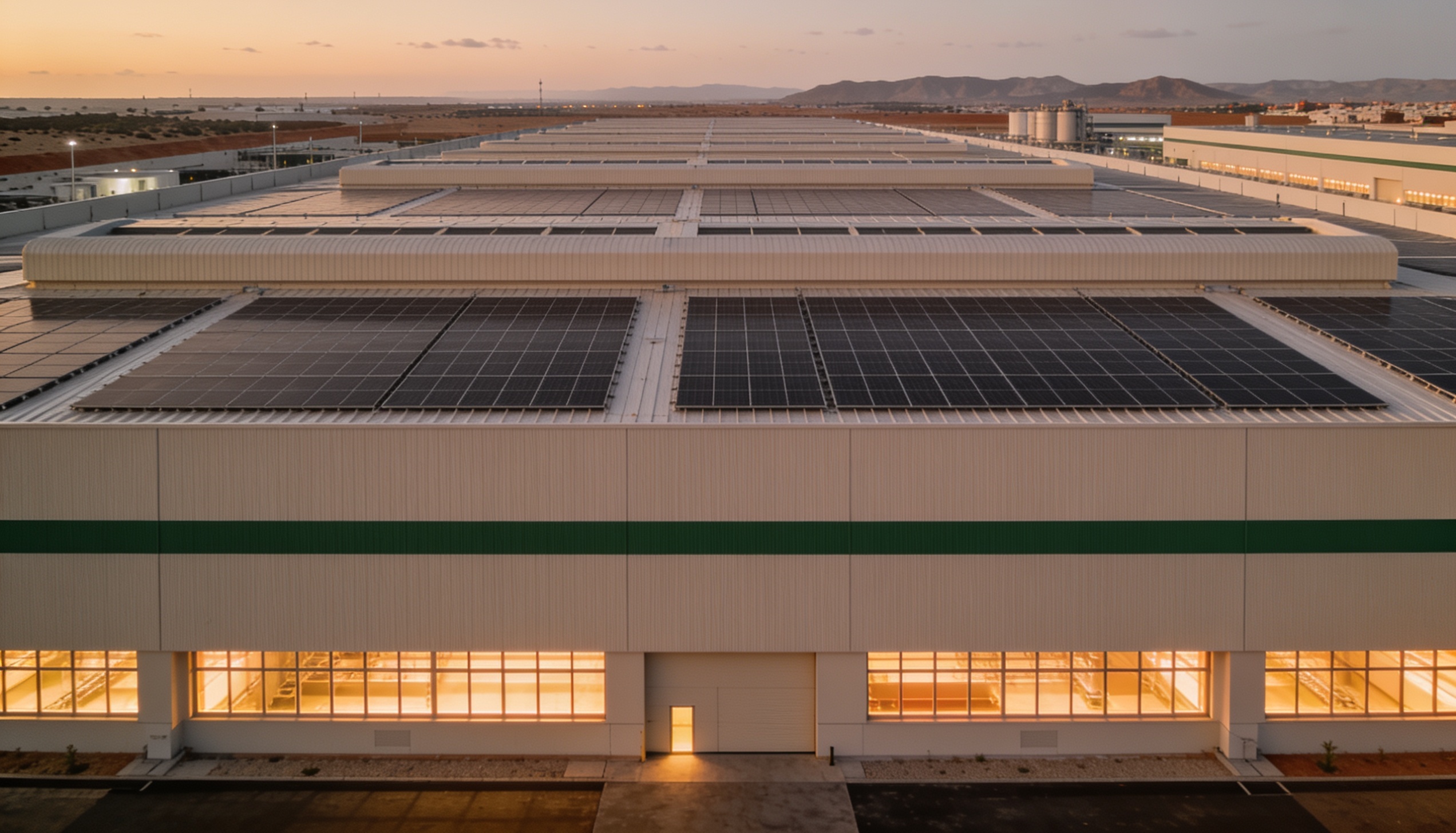
Morocco's EV-battery gigafactory wave: Kenitra and Jorf Lasfar
Morocco is turning its phosphate base into a European-facing battery supply chain — Gotion's $5.6–6.5bn Kenitra gigafactory (Africa's first, targeting Q3 2026) and the $2bn COBCO cathode-precursor plant at Jorf Lasfar (live since June 2025). For property: a large industrial-jobs wave on Kenitra and the Jorf Lasfar / Casablanca corridor.
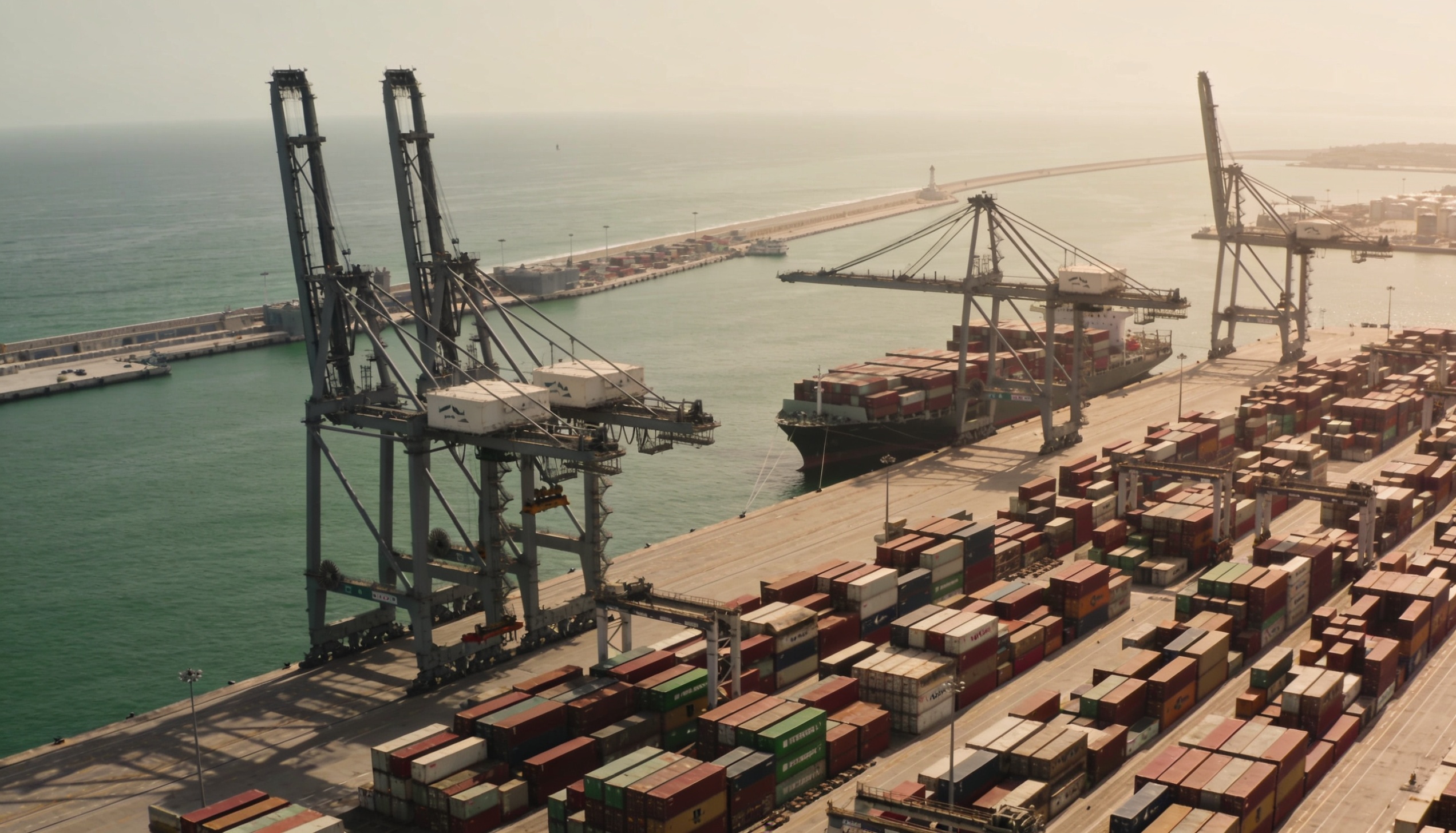
Tanger Med: Africa's largest port and the northern industrial corridor
Tanger Med crossed 10.24M TEU in 2024 and 11M+ containers in 2025 — Africa's largest container port — anchoring a 1,000+ company free-zone platform (~€14bn exports) and Morocco's #1-by-value EU automotive export position. For Tangier property: a real industrial-demand tailwind (transactions +23.3% YoY) — but a correlation, not a yield guarantee.
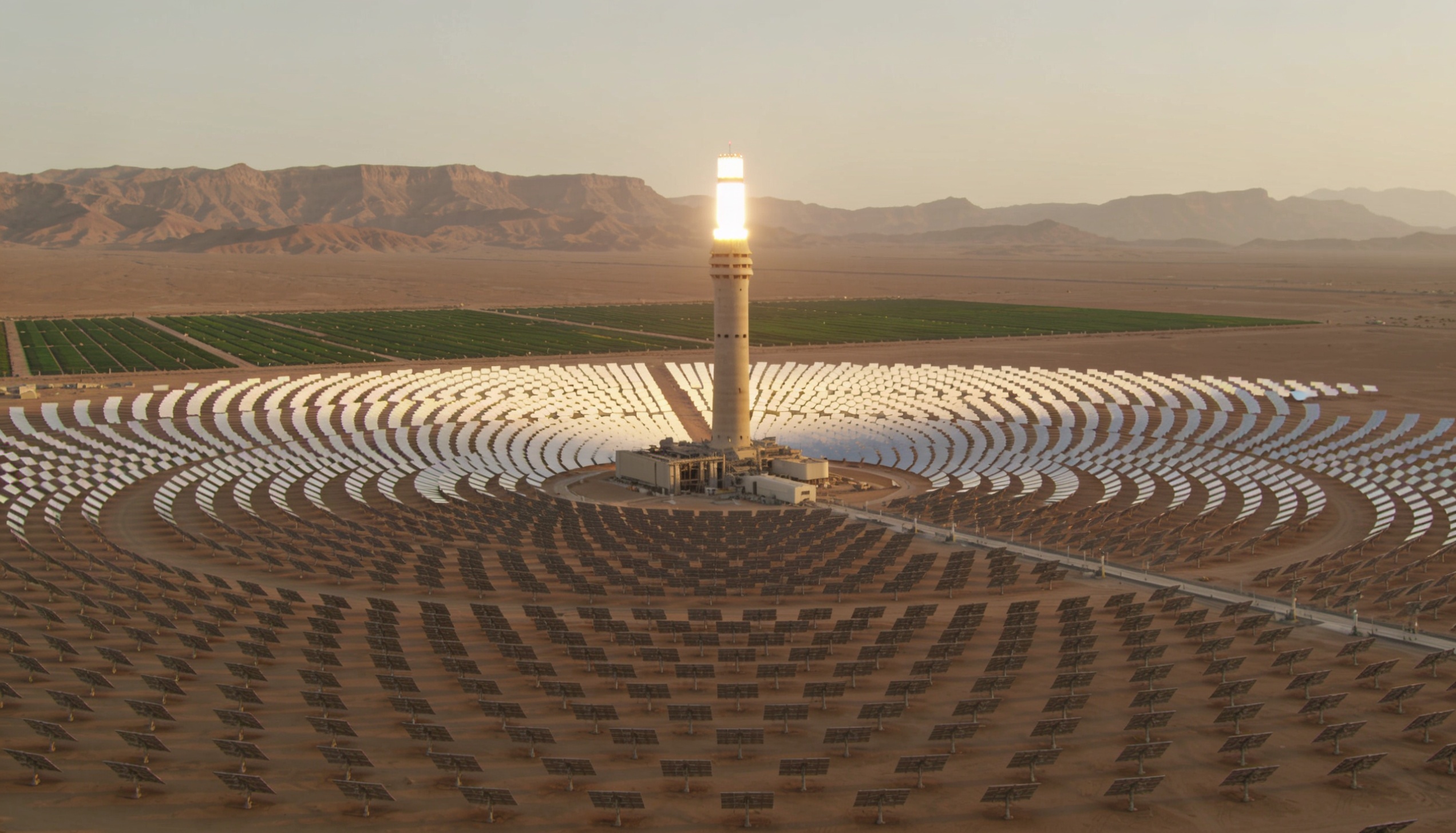
Morocco's green-energy engine and the southern property thesis
Morocco is concentrating solar, wind and green-hydrogen capex into its south — the 580 MW Noor Ouarzazate complex, a 2,373 MW wind fleet, the Offre Maroc hydrogen programme and a reality-checked Xlinks UK cable — against a 52%-by-2030 renewables target. For property it's an industrial-anchoring thesis centred on Dakhla, not yet a proven price signal.
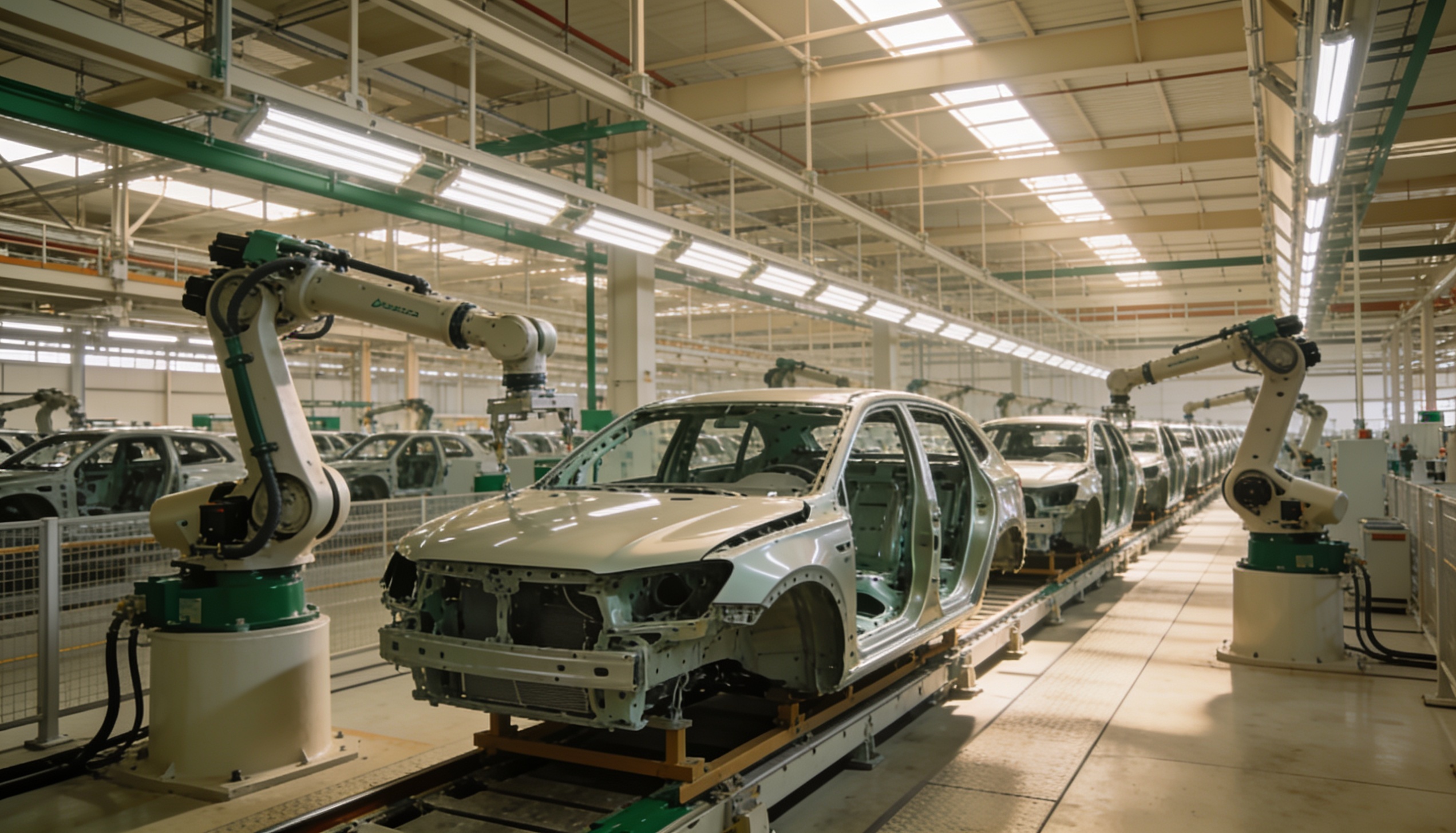
Morocco's automotive engine: Tangier, Kenitra and EV batteries
Morocco built ~560,000 vehicles in 2024 — level with South Africa, and reporting puts it overtaking in 2025 — anchored by Renault Tangier and Stellantis Kenitra. Automotive is now the #1 export sector (~€15bn), and an EV-battery chain (Gotion gigafactory, COBCO precursors) is forming around Kenitra. For property: a workforce-demand tailwind into a currently flat market.
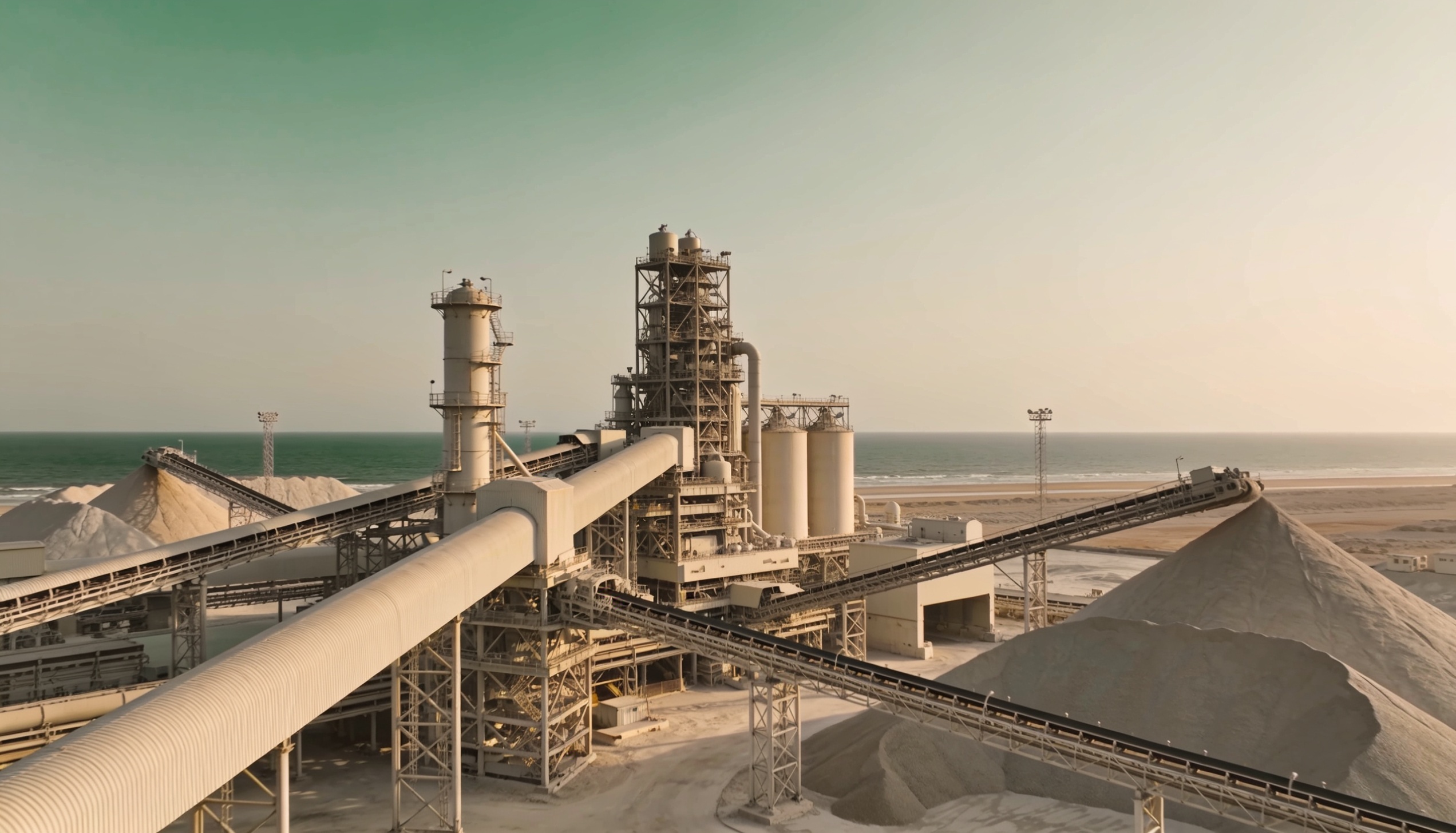
OCP and the Moroccan phosphate-to-fertilizer engine
Morocco holds ~70% of the world's phosphate reserves, and OCP has turned that into downstream fertilizer leadership (~31% of the world phosphate-product market) plus a ~$13bn green program — concentrating property demand across four corridors: Khouribga, Jorf Lasfar/El Jadida, Casablanca and Ben Guerir.